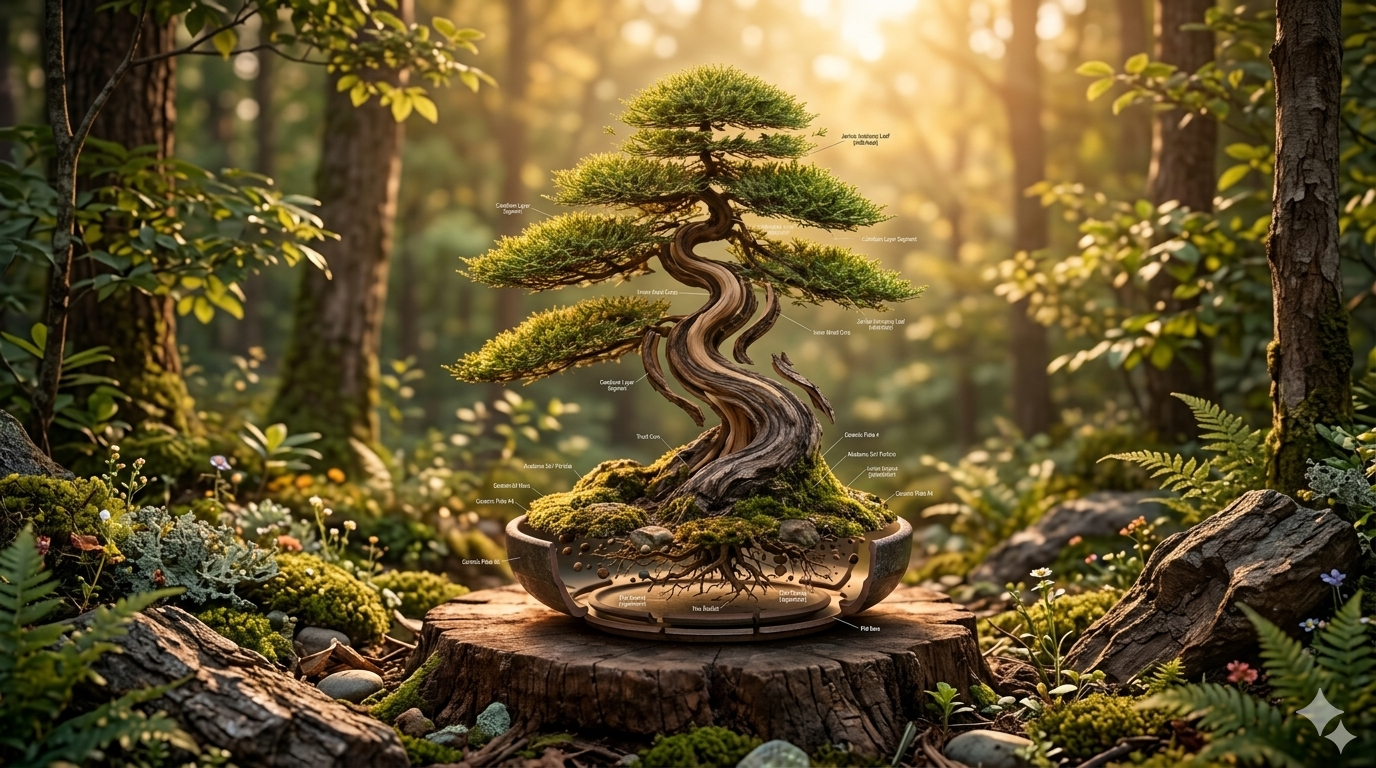
The Complete Guide to Growing Bonsai Juniper
There's something quietly powerful about a bonsai tree. It sits on a shelf or a windowsill, miniature and ancient at the same time, and it asks you a simple question: can you slow down long enough to grow something beautiful?
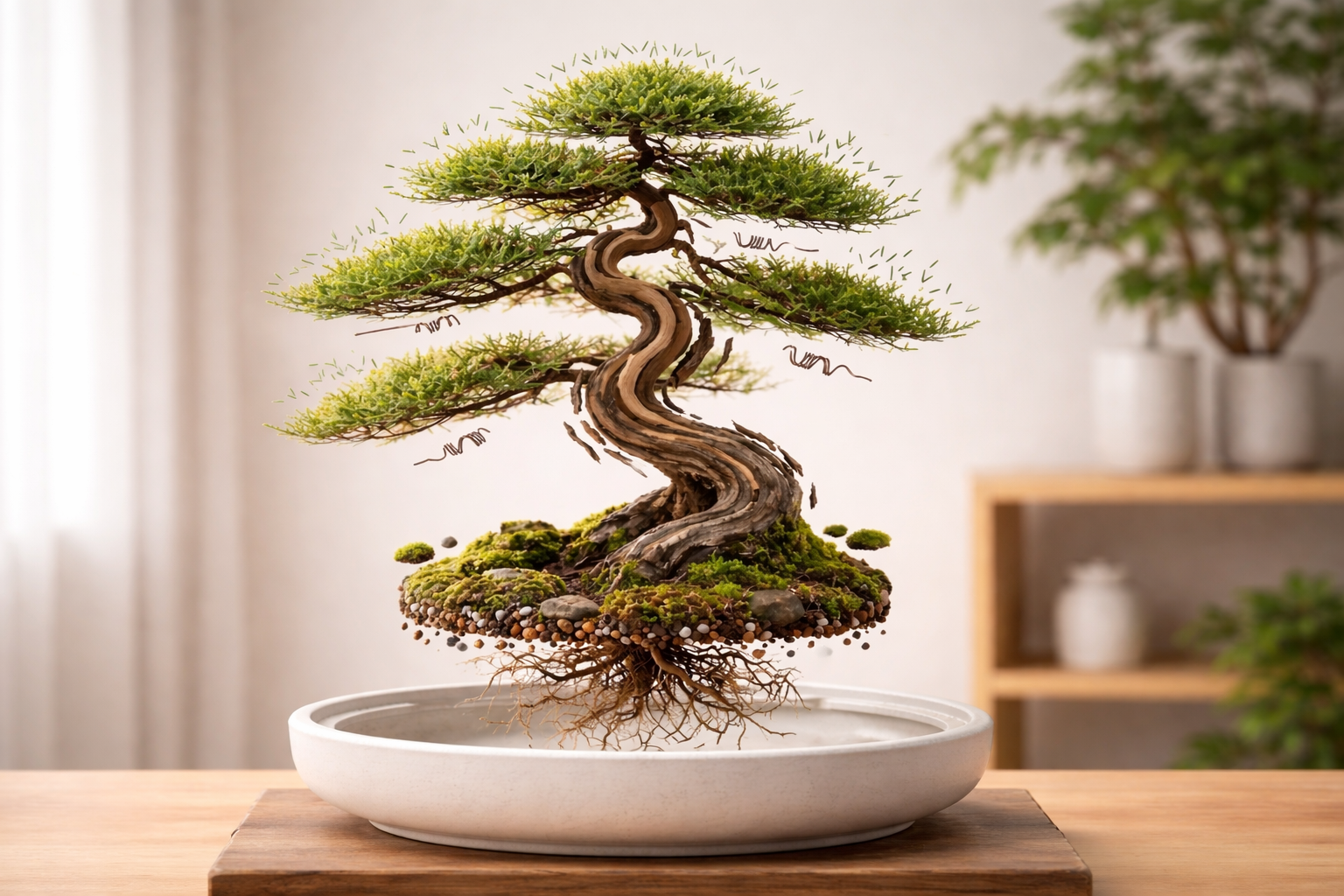
Juniper bonsai — the most iconic species in the bonsai world — is the perfect place to start answering that question. Whether you've admired them in Japanese gardens, seen one on a friend's desk, or received one as a gift, this guide will teach you everything you need to know to keep yours thriving.
Why Juniper?
Of the hundreds of species used for bonsai, Juniperus stands out for several reasons:
- Hardy and forgiving — junipers tolerate pruning, wiring, and even some neglect
- Year-round foliage — evergreen needles keep the tree looking alive in winter
- Beautiful deadwood — junipers develop natural "jin" and "shari" (deadwood features) that add dramatic character
- Versatile styles — works for formal upright, cascade, windswept, and nearly every bonsai form
The two most popular species for beginners are Juniperus procumbens 'Nana' (Japanese Garden Juniper) and Juniperus chinensis (Chinese Juniper).
Getting Started: What You Need
Before we dig into technique, here's your essential toolkit:
- A healthy juniper — look for vibrant green foliage and a thick trunk base
- Bonsai soil mix — akadama, pumice, and lava rock in a 1:1:1 ratio (or a pre-mixed bonsai blend)
- A shallow bonsai pot with drainage holes
- Wire — anodized aluminum wire in 1mm, 1.5mm, and 2mm gauges
- Concave cutters — these leave clean, flat cuts that heal faster
- Sharp scissors — for trimming foliage pads
- A turntable — optional but very helpful for styling
Tip: Don't start with a "mall bonsai" from a big box store. They're often glued into decorative pots with no drainage. Buy from a reputable nursery or bonsai shop.
Placement: Outdoors, Always
This is the number one mistake beginners make. Juniper bonsai are outdoor trees. They need:
- Full sun — at least 4-6 hours of direct sunlight per day
- Air circulation — indoor environments are too stagnant
- Seasonal changes — junipers need winter dormancy to stay healthy
You can bring your juniper inside for display — but only for 2-3 days at a time, no more than once a month. Keeping a juniper indoors permanently will slowly kill it.
Climate Zones
Junipers are hardy to USDA zones 4-9, meaning they can handle temperatures as low as -30°C. In hot climates (zones 9-10), provide afternoon shade in summer.
Watering: The Art of "Almost Dry"
Proper watering is the single most important skill in bonsai. Here's the rule:
Water when the top 1cm of soil feels dry.
That's it. Not on a schedule. Not once a day. You check the soil with your finger, and you water when it needs it.
How to Water
- Water the entire soil surface until water flows freely from the drainage holes
- Wait 30 seconds, then water again — this ensures full saturation
- Never let the tree sit in standing water
Common Mistakes
- Overwatering — soggy soil leads to root rot. If foliage is turning yellow-brown from the inside of the tree, you're probably overwatering
- Underwatering — dry foliage that feels crispy means the tree is dehydrated. Submerge the entire pot in water for 10 minutes to rehydrate
- Misting instead of watering — misting does almost nothing for the roots. It's fine for humidity, but it's not a substitute for actual watering
Soil and Repotting
Juniper bonsai should be repotted every 2-3 years for young trees, and every 3-5 years for mature ones. The best time is early spring, just before new growth begins.
The Ideal Soil Mix
| Component | Purpose | Ratio |
|---|---|---|
| Akadama | Retains moisture and releases it slowly | 33% |
| Pumice | Provides aeration and prevents compaction | 33% |
| Lava rock | Ensures drainage and adds minerals | 33% |
Never use regular potting soil. It retains too much water and will suffocate the roots.
Repotting Steps
- Gently remove the tree from its pot
- Use a chopstick to untangle the outer third of the root ball
- Trim long roots with clean scissors — remove about 30% of root mass
- Place fresh soil in the pot, position the tree, and work soil around the roots
- Water thoroughly and place in a shaded spot for 2 weeks to recover
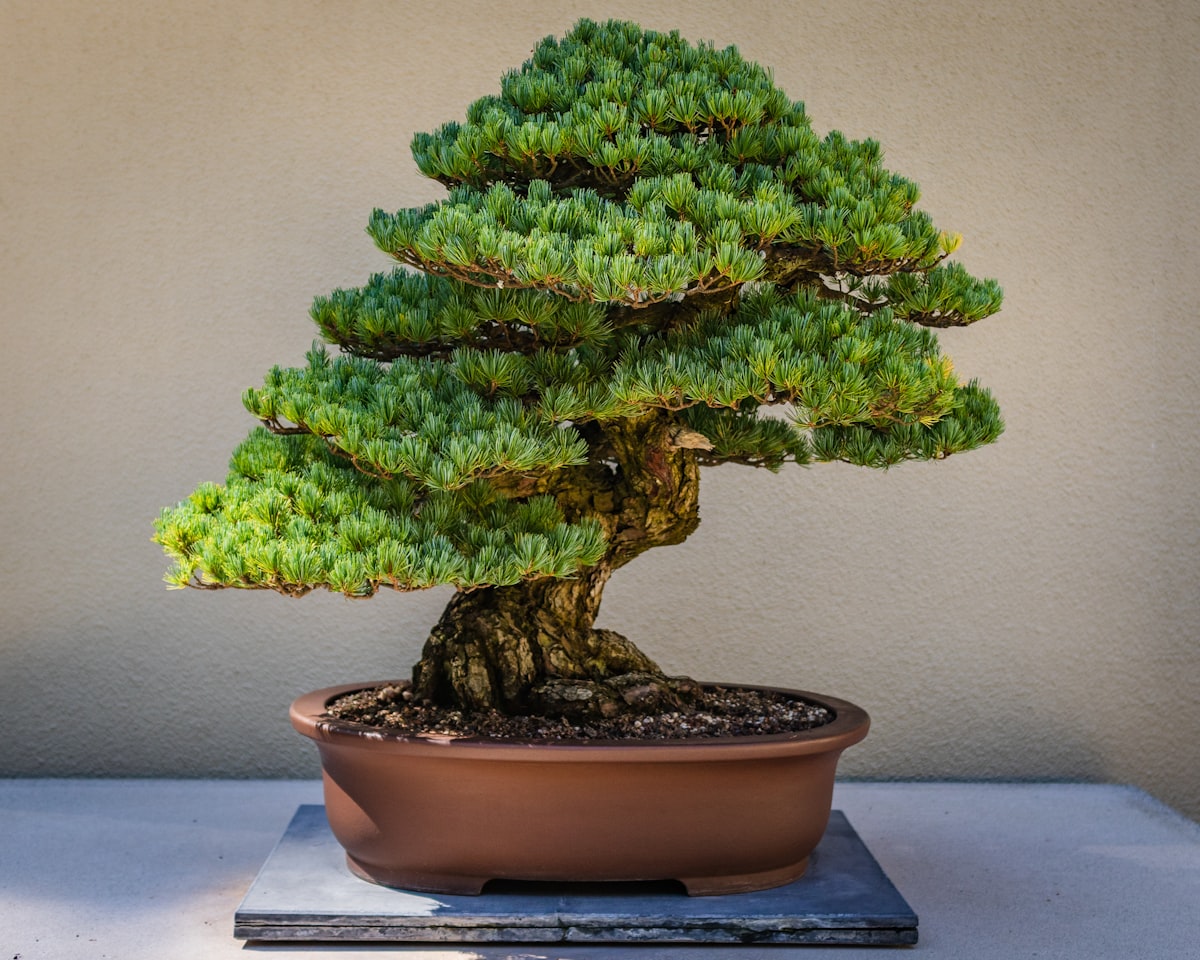
Pruning: Shaping Your Vision
Pruning is where bonsai becomes art. There are two types:
Maintenance Pruning
This is regular trimming to maintain the tree's shape. During the growing season (spring to autumn):
- Pinch new growth with your fingers by pulling off the tips
- Never cut juniper foliage with scissors — this browns the cut edges
- Remove any growth that extends beyond the desired silhouette
Structural Pruning
This is the bigger work — removing entire branches to define the tree's architecture. Do this in late winter when the tree is dormant.
- Use concave cutters for clean branch removal
- Always leave a small stub that you can carve into jin (deadwood)
- Never remove more than 30% of foliage in a single session
Wiring: The Sculptor's Tool
Wiring is how you bend and position branches exactly where you want them.
How to Wire
- Cut a piece of wire roughly 1.5x the length of the branch
- Anchor the wire on the trunk or a nearby branch
- Wrap the wire at a 45-degree angle along the branch
- Gently bend the branch into position
Important Rules
- Wire in late autumn or winter when growth is slower
- Check wires every 2-3 weeks — remove before they bite into the bark
- Use guy wires (wire anchored to the pot) for pulling thick branches down
- Aluminum wire is easier to work with than copper for beginners
Warning: Wire marks are permanent scars. Better to rewire multiple times than let wire bite in.
Fertilizing
Junipers are moderate feeders. During the growing season:
- Use a balanced organic fertilizer (like Biogold or fish emulsion)
- Feed every 2 weeks from spring through mid-autumn
- Reduce feeding in late autumn
- Do not fertilize in winter — the tree is dormant
Common Problems and Solutions
Brown or Yellowing Foliage
- Inner browning — normal shedding of old foliage. Gently pull it out
- Entire branches dying — possible root rot (overwatering) or spider mites
- Tips turning brown — underwatering or wind burn
Pests
- Spider mites — the most common pest. Spray with neem oil weekly
- Scale insects — remove with a toothbrush and rubbing alcohol
- Aphids — blast with water or use insecticidal soap
Leggy Growth
If branches are growing long and thin without filling out:
- Move to more sunlight
- Pinch growing tips more frequently
- Feed regularly during growing season
Your First Year: A Month-by-Month Calendar
| Month | Action |
|---|---|
| January-February | Keep outdoors, protect from extreme frost, no feeding |
| March | Check for new growth, begin light feeding |
| April-May | Repot if needed, begin regular watering and feeding |
| June-August | Full sun, water daily in heat, pinch new growth |
| September | Reduce feeding, structural pruning okay |
| October | Wire branches, prepare for dormancy |
| November-December | Reduce watering, stop feeding, protect from wind |
The Philosophy of Bonsai
Growing bonsai isn't about controlling nature. It's about collaborating with it. You provide the guidance — the wiring, the pruning, the care — and the tree provides the character: the curves it wants to take, the branches it decides to shed, the deadwood that tells its story.
A juniper bonsai will outlive you if you care for it properly. Some famous specimens are hundreds of years old. When you sit with your tree and study it before making a cut, you're participating in a practice that stretches back over a thousand years.
That's the real gift of bonsai. Not the tree on the shelf. The patience it teaches you.
Have questions about growing bonsai juniper? Visit our plant page for quick care facts, or explore more articles on the Seedora blog.